Understand first.
Start with the answer a person needs. Explain technical detail when it helps them decide what to do.

The Rekupr brand
A living system for making medical bills feel less overwhelming and an evidence-backed appeal easier to build.
Product, marketing, partnerships, support, and every moment where Rekupr shows up.

Our foundation
Rekupr checks medical bills, explains what may be worth questioning, and prepares evidence-backed appeal drafts for people to review. Every brand choice should make that experience calmer and easier.
We meet a difficult moment with useful calm.
Start with the answer a person needs. Explain technical detail when it helps them decide what to do.
Warmth comes from clear guidance, honest limits, and respect for the information someone shares.
We show what we found and why it matters. The person decides what happens next.
A clean bill is a useful answer. A potential error needs evidence. A story needs its context.
A medical bill can take over the room. Rekupr checks the bill, gathers the evidence, and prepares the appeal draft so the person does not have to start from scratch.
Logo
Use the supplied Rekupr artwork exactly as provided. The wordmark is the primary signature. Its dark form feels steady, while the mint signal gives it a small point of life.
The full wordmark is the default wherever Rekupr is introduced. Leave enough room for its distinctive letterforms to read.
Do not stretchDo not recolorDo not add effectsDo not cropColor
Amber identifies the intended next action. Deep green anchors navigation, selected states, status, structure, and large brand surfaces. White gives the interface clarity; sage supports information.
#EFC17C. Primary actions, with deep green text and icons.
#08A280. Reserved for the logo and rare identity moments. It does not replace core green in the interface.
Amber is the primary action signal across public and authenticated pages. Use #EFC17C with deep green #093E35 text and icons, #E7AD55 on hover, and no visible border. Do not use amber for tabs, filters, navigation selection, status indicators, utility controls, or decoration.
Green buttons blended into navigation, cards, illustrations, and structural surfaces. Amber gives the next action its own recognizable role.
A surface belongs to its surroundings. On cool gray or sage, use white or green-family panels. Keep large warm cream and beige panels off those backgrounds. Reserve cream for the warm page canvas or a deliberate pairing with deep green.
Review adjacent surfaces as well as text contrast. Use labels and small accents to distinguish message types; a contrasting panel tint is not always needed.
Amber provides functional hierarchy. Green is already present in navigation, cards, selected states, illustrations, and large surfaces. Giving the primary action a distinct color makes the intended next step easier to find.
Component specimens only. Enabled buttons demonstrate hover and keyboard focus without submitting anything. Text and icons inherit deep green #093E35. Primary buttons have no visible border; a subtle shadow may separate them from white.
Public marketing
One next step in the hero. Navigation and supporting links stay green or neutral.
Upload
The file area, progress, and utility controls remain neutral.
Authentication
Sign-in owns the primary emphasis. Alternative sign-in methods use neutral outlines.
Checkout
Keep the payment action distinct from the order summary and payment-method selection.
Account pages
Navigation, selected tabs, and review statuses stay deep green.
Deep green panel / exception
When existing amber data or status accents would compete with a CTA, use a white action with deep green text.
Destructive decision
Red communicates the destructive action. A neutral outline provides a clear way to cancel.
All action labels below exceed the WCAG AA 4.5:1 requirement for normal text. Meaningful icons, outlines, and focus indicators need at least 3:1 against their adjacent surface. Disabled controls are exempt, but our neutral treatment still exceeds 4.5:1.
| Treatment | Foreground / background | Ratio |
|---|---|---|
| Primary | #093E35 / #EFC17C | 7.19:1 |
| Primary hover | #093E35 / #E7AD55 | 6.00:1 |
| Secondary | #374151 / #FFFFFF | 10.31:1 |
| Tertiary on white | #093E35 / #FFFFFF | 11.99:1 |
| Secondary hover | #374151 / #F3F4F6 | 9.37:1 |
| White on deep panel | #093E35 / #FFFFFF | 11.99:1 |
| White action hover | #093E35 / #EDF1EF | 10.52:1 |
| Destructive | #FFFFFF / #B91C1C | 6.47:1 |
| Destructive hover | #FFFFFF / #991B1B | 8.31:1 |
| Disabled | #4B5563 / #E5E7EB | 6.10:1 |
| Secondary outline | #6B7280 / #FFFFFF | 4.83:1 |
| Light-surface focus | #093E35 / #FFFFFF | 11.99:1 |
| Dark-surface focus | #FFFFFF / #093E35 | 11.99:1 |
Amber against white is only 1.67:1. Do not rely on the fill boundary, shadow, or color alone to identify the action. Keep a clear high-contrast label, familiar button shape, and deliberate placement. Use a 3px deep green focus ring with a 3px offset on light surfaces; use a white ring on deep green. Avoid amber text on white and white text on amber. Icon-only controls remain neutral and require an accessible name. Recheck contrast when changing surrounding surfaces.
References: WCAG 2.2 text contrast and non-text contrast.
{
"primary": {
"background": "#EFC17C",
"foreground": "#093E35",
"hoverBackground": "#E7AD55",
"border": "none",
"shadow": "0 2px 5px #093e3514"
},
"secondary": {
"background": "#FFFFFF",
"foreground": "#374151",
"border": "#6B7280",
"hoverBackground": "#F3F4F6"
},
"tertiary": {
"background": "transparent",
"foreground": "#093E35"
},
"onDeep": {
"background": "#FFFFFF",
"foreground": "#093E35",
"hoverBackground": "#EDF1EF"
},
"destructive": {
"background": "#B91C1C",
"foreground": "#FFFFFF",
"hoverBackground": "#991B1B"
},
"disabled": {
"background": "#E5E7EB",
"foreground": "#4B5563",
"border": "none",
"shadow": "none"
},
"focus": {
"ring": "#093E35",
"width": "3px",
"offset": "3px",
"onDeepRing": "#FFFFFF"
}
}Typography
Geist gives the brand warmth, precision, and clear numbers without changing character between editorial pages and product screens.
Voice
People meet us when life already feels complicated. Our words should lower the temperature, name what is known, and make the appeal process clear.
Use familiar words and short sentences. Put the answer before the mechanism.
Write like a capable person sitting beside someone, without sounding sentimental.
Name uncertainty, context, and limits. Never promise a result we cannot know.
Let usefulness carry the message. No fear, pressure, urgency tricks, or shouting.
Say this
“We found two charges worth a closer look. Here’s why.”
Specific, grounded, and useful. The person can see both the finding and its basis.
Avoid this
“You’ve been overcharged. Demand justice now!”
It overstates certainty and adds urgency at a moment that needs calm.
Understand, explain, question, review, evidence, preview, appeal draft, review before sending.
Error, savings, AI, expert, guaranteed, instant, automatic, advocate, fight.
Messaging & positioning
Lead with a bill someone needs to understand. Make the work Rekupr does tangible. Leave the decision with the person.
The bill is the starting point. Giving someone the clarity and preparation to question it is the work.
For people who want to understand a medical bill and challenge a charge, Rekupr brings bill checking, supporting evidence, and appeal preparation into one place, with a draft the person reviews and controls.
Reusable starting points for introductions, profiles, decks, and campaign copy.
Rekupr checks your medical bill, gathers supporting evidence, and prepares an appeal draft you review and control.
Medical bills, explained. Evidence gathered. An appeal draft you control. Start with a free preview.
A medical bill can leave you with more questions than answers. Rekupr checks the bill, explains what may be worth questioning, and gathers supporting evidence. When there is a supported issue to challenge, it prepares an appeal draft for you to review and edit. You decide when to send it. Start with a free preview to see whether there is something to explore.
If you have ever looked at a medical bill and wondered whether it was right, that is where Rekupr starts. It checks the bill, shows what may be worth questioning, and brings the evidence into an appeal draft. You have something concrete to review and edit, and you stay in control of when it is sent.
The promise stays consistent. The opening changes with the reader’s question.
Photography
Show real-feeling moments, natural light, and the ordinary life people want to return to. The camera observes. It does not ask for a performance.


Subjects look at what they are doing, at one another, or just outside the frame.
Prefer windows, porches, gardens, and late afternoon warmth. Keep skin natural.
Compose with useful negative space. Let crop and copy work together.
Identify generated imagery and relationships. Never imply an illustrative scene is a testimonial.
The kitchen, porch, and garden scenes are generated campaign imagery from this redesign. They illustrate the emotional setting and are not customer testimonials. The kitchen scene appears in the redesigned homepage, and the garden scene appears on the redesigned About page.
Generating new imagery
Start with an approved image and a shared photographic brief. Change the person, setting, and action while keeping the light, palette, texture, and emotional tone consistent.
Soft afternoon side light, gentle shadows, evergreen, sage, cream, and earthy materials. Let green live in the setting. Avoid tinting skin or washing the whole image in orange.
One ordinary action, relaxed posture, and quiet connection. Vary ages, skin tones, households, and settings naturally across a series. Consistency comes from the treatment, not identical people.
Eye-level framing, a 35–50mm photographic feel, gentle depth, and subtle grain. Retain skin, fabric, and surface detail. Avoid glossy retouching and exaggerated cinematic effects.
Example prompt
Copy the complete brief and attach the reference. For a different scene, use the template below.
Replace the bracketed scene and composition fields. Keep the opening style brief and closing constraints intact.
Choose an approved image that fits the intended scene. Use the same reference set and keep a record of the image tool, model, and available settings.
Change the subject, ordinary action, or setting deliberately. A porch, kitchen, or garden can share the same treatment. Keep unnecessary bills and phones out of scenes about life beyond the bill.
Review candidates beside the existing gallery at the same size. Adjust one issue at a time, such as harsh light or an overly polished expression. Reuse an approved result as a reference for related scenes.
Keep the final prompt, reference files, tool and settings, date, approved original, and final crops together. Write descriptive alt text and retain the generated-image disclosure.
Before it joins the collection
Compose for the destination. A 3:2 master is a starting point; a wide banner and a tall portrait may need different framing. Add typography, brand marks, and graphic accents in the layout after generation.
The image collection / 01
Twenty original photographs made with the shared Rekupr AI prompt. Ten employee scenes, six bill scenes and details, and four moments of everyday life.
Download all 20 images ZIP · 14.1 MB · Full-resolution JPEGs, prompts, and referencesShowing 20 images

1672 × 941 px · PNG
Download imageUse case: photorealistic-natural. Create ONE standalone photograph, not a collage or contact sheet. Create a photorealistic, candid editorial lifestyle photograph for Rekupr. Match the attached approved campaign reference for lighting, color balance, material texture, and photographic treatment. Use it as an art-direction reference, not a request to reproduce the same person. Use warm late-afternoon side light, gentle dappled shadows, deep evergreen foliage or muted green interiors, warm cream fabrics, and tactile wood, plaster, or terracotta. Preserve natural skin tones, visible skin texture, believable hands, and small imperfections. The photographic treatment should feel like a quiet independent lifestyle magazine: an eye-level 35–50mm perspective, gentle depth of field, subtle film grain, and restrained contrast. Keep the surroundings recognizable. The mood is unhurried and quietly reassuring: ordinary life continuing. The person is absorbed in what they are doing, with a relaxed posture and a small, natural expression. Avoid posing or looking at the camera. Scene: Three colleagues, a Black man in his forties, an East Asian woman in her thirties, and a white man in his fifties, quietly discussing a laptop at an oak table in a believable commercial office with glazed meeting rooms and desks. Smart casual cream and muted green clothes. The laptop screen faces away. Wide establishing frame, people on the right two thirds, quiet shaded office space on the left. Composition: 16:9 aspect ratio. Generate in this aspect ratio, compose natively for it. Keep faces and hands clear of crop edges. No text, logos, watermarks, borders, graphic overlays, artificial glows, dramatic lens flare, medical equipment, exaggerated celebration, corporate stock-photo poses, airbrushed skin, or heavy orange or green color casts. Do not add a bill or phone unless the scene calls for one. This is an illustrative campaign scene, not a real customer testimonial or staff portrait. Reference role: the supplied image is a style and lighting reference only. Create new people and the distinct scene described above. Workplace scenes must read clearly as workplaces, not domestic kitchens.

1122 × 1402 px · PNG
Download imageUse case: photorealistic-natural. Create ONE standalone photograph, not a collage or contact sheet. Create a photorealistic, candid editorial lifestyle photograph for Rekupr. Match the attached approved campaign reference for lighting, color balance, material texture, and photographic treatment. Use it as an art-direction reference, not a request to reproduce the same person. Use warm late-afternoon side light, gentle dappled shadows, deep evergreen foliage or muted green interiors, warm cream fabrics, and tactile wood, plaster, or terracotta. Preserve natural skin tones, visible skin texture, believable hands, and small imperfections. The photographic treatment should feel like a quiet independent lifestyle magazine: an eye-level 35–50mm perspective, gentle depth of field, subtle film grain, and restrained contrast. Keep the surroundings recognizable. The mood is unhurried and quietly reassuring: ordinary life continuing. The person is absorbed in what they are doing, with a relaxed posture and a small, natural expression. Avoid posing or looking at the camera. Scene: A Latino male employee in his thirties in an olive work shirt, seated in a workplace break room beside green lockers. He looks at his phone, with lunch container and water bottle on the table. Natural small relieved expression, no paper bill. Portrait frame includes torso, both hands, and clear workplace background. Composition: 4:5 aspect ratio. Generate in this aspect ratio, compose natively for it. Keep faces and hands clear of crop edges. No text, logos, watermarks, borders, graphic overlays, artificial glows, dramatic lens flare, medical equipment, exaggerated celebration, corporate stock-photo poses, airbrushed skin, or heavy orange or green color casts. Do not add a bill or phone unless the scene calls for one. This is an illustrative campaign scene, not a real customer testimonial or staff portrait. Reference role: the supplied image is a style and lighting reference only. Create new people and the distinct scene described above. Workplace scenes must read clearly as workplaces, not domestic kitchens. Refinement applied to the generated original: Edit the attached photograph only to remove ALL text, typography, symbols, and poster lettering from the background noticeboard and identity badge. Replace the noticeboard contents with a plain muted sage panel and a few blank cream note cards without writing. Make the employee badge completely blank. Preserve the main man, facial identity, pose, hands, clothes, phone, lunch container, table, lighting, colors, background people and 4:5 portrait composition exactly. Do not add any text or logos anywhere. Photorealistic seamless edit.

1536 × 1024 px · PNG
Download imageUse case: photorealistic-natural. Create ONE standalone photograph, not a collage or contact sheet. Create a photorealistic, candid editorial lifestyle photograph for Rekupr. Match the attached approved campaign reference for lighting, color balance, material texture, and photographic treatment. Use it as an art-direction reference, not a request to reproduce the same person. Use warm late-afternoon side light, gentle dappled shadows, deep evergreen foliage or muted green interiors, warm cream fabrics, and tactile wood, plaster, or terracotta. Preserve natural skin tones, visible skin texture, believable hands, and small imperfections. The photographic treatment should feel like a quiet independent lifestyle magazine: an eye-level 35–50mm perspective, gentle depth of field, subtle film grain, and restrained contrast. Keep the surroundings recognizable. The mood is unhurried and quietly reassuring: ordinary life continuing. The person is absorbed in what they are doing, with a relaxed posture and a small, natural expression. Avoid posing or looking at the camera. Scene: A South Asian woman benefits adviser in her forties and an older Black male employee reviewing one plain unmarked folder together in a glass office meeting room. Equal eye level, attentive relaxed conversation, no pointing at camera. Wide enough to show professional surroundings, green upholstered chair, cream shirt, wooden table. Their faces and hands comfortably inside frame. Composition: 3:2 aspect ratio. Generate in this aspect ratio, compose natively for it. Keep faces and hands clear of crop edges. No text, logos, watermarks, borders, graphic overlays, artificial glows, dramatic lens flare, medical equipment, exaggerated celebration, corporate stock-photo poses, airbrushed skin, or heavy orange or green color casts. Do not add a bill or phone unless the scene calls for one. This is an illustrative campaign scene, not a real customer testimonial or staff portrait. Reference role: the supplied image is a style and lighting reference only. Create new people and the distinct scene described above. Workplace scenes must read clearly as workplaces, not domestic kitchens.

1254 × 1254 px · PNG
Download imageUse case: photorealistic-natural. Create ONE standalone photograph, not a collage or contact sheet. Create a photorealistic, candid editorial lifestyle photograph for Rekupr. Match the attached approved campaign reference for lighting, color balance, material texture, and photographic treatment. Use it as an art-direction reference, not a request to reproduce the same person. Use warm late-afternoon side light, gentle dappled shadows, deep evergreen foliage or muted green interiors, warm cream fabrics, and tactile wood, plaster, or terracotta. Preserve natural skin tones, visible skin texture, believable hands, and small imperfections. The photographic treatment should feel like a quiet independent lifestyle magazine: an eye-level 35–50mm perspective, gentle depth of field, subtle film grain, and restrained contrast. Keep the surroundings recognizable. The mood is unhurried and quietly reassuring: ordinary life continuing. The person is absorbed in what they are doing, with a relaxed posture and a small, natural expression. Avoid posing or looking at the camera. Scene: Two female colleagues, one white with short gray hair and one Black with natural curls, sharing an ordinary quiet conversation while walking through a sunlit office corridor. One holds a closed notebook. Candid mid-stride, commercial glass partitions, leafy trees outside, sage and ivory clothing. Square composition, no desk or phones. Composition: 1:1 aspect ratio. Generate in this aspect ratio, compose natively for it. Keep faces and hands clear of crop edges. No text, logos, watermarks, borders, graphic overlays, artificial glows, dramatic lens flare, medical equipment, exaggerated celebration, corporate stock-photo poses, airbrushed skin, or heavy orange or green color casts. Do not add a bill or phone unless the scene calls for one. This is an illustrative campaign scene, not a real customer testimonial or staff portrait. Reference role: the supplied image is a style and lighting reference only. Create new people and the distinct scene described above. Workplace scenes must read clearly as workplaces, not domestic kitchens.

1024 × 1536 px · PNG
Download imageUse case: photorealistic-natural. Create ONE standalone photograph, not a collage or contact sheet. Create a photorealistic, candid editorial lifestyle photograph for Rekupr. Match the attached approved campaign reference for lighting, color balance, material texture, and photographic treatment. Use it as an art-direction reference, not a request to reproduce the same person. Use warm late-afternoon side light, gentle dappled shadows, deep evergreen foliage or muted green interiors, warm cream fabrics, and tactile wood, plaster, or terracotta. Preserve natural skin tones, visible skin texture, believable hands, and small imperfections. The photographic treatment should feel like a quiet independent lifestyle magazine: an eye-level 35–50mm perspective, gentle depth of field, subtle film grain, and restrained contrast. Keep the surroundings recognizable. The mood is unhurried and quietly reassuring: ordinary life continuing. The person is absorbed in what they are doing, with a relaxed posture and a small, natural expression. Avoid posing or looking at the camera. Scene: A male designer in his late twenties with medium brown skin and curly hair working alone at a desk in a modest professional studio, wearing a cream overshirt. Seen at a three-quarter angle, laptop screen turned away, pinboard without readable writing, one plant, green partition. Tall portrait includes environmental space above and below, quiet concentration. Composition: 2:3 aspect ratio. Generate in this aspect ratio, compose natively for it. Keep faces and hands clear of crop edges. No text, logos, watermarks, borders, graphic overlays, artificial glows, dramatic lens flare, medical equipment, exaggerated celebration, corporate stock-photo poses, airbrushed skin, or heavy orange or green color casts. Do not add a bill or phone unless the scene calls for one. This is an illustrative campaign scene, not a real customer testimonial or staff portrait. Reference role: the supplied image is a style and lighting reference only. Create new people and the distinct scene described above. Workplace scenes must read clearly as workplaces, not domestic kitchens.

1672 × 941 px · PNG
Download imageUse case: photorealistic-natural. Create ONE standalone photograph, not a collage or contact sheet. Create a photorealistic, candid editorial lifestyle photograph for Rekupr. Match the attached approved campaign reference for lighting, color balance, material texture, and photographic treatment. Use it as an art-direction reference, not a request to reproduce the same person. Use warm late-afternoon side light, gentle dappled shadows, deep evergreen foliage or muted green interiors, warm cream fabrics, and tactile wood, plaster, or terracotta. Preserve natural skin tones, visible skin texture, believable hands, and small imperfections. The photographic treatment should feel like a quiet independent lifestyle magazine: an eye-level 35–50mm perspective, gentle depth of field, subtle film grain, and restrained contrast. Keep the surroundings recognizable. The mood is unhurried and quietly reassuring: ordinary life continuing. The person is absorbed in what they are doing, with a relaxed posture and a small, natural expression. Avoid posing or looking at the camera. Scene: Three mixed-gender coworkers in their thirties and fifties eating lunch at a wooden courtyard picnic table outside an office, subtly smiling in conversation. Casual reusable lunch boxes, no branding. Dappled trees, pale commercial building behind, grounded natural posture. Wide landscape, people on left half and quiet foliage and wall on right for future copy. Composition: 16:9 aspect ratio. Generate in this aspect ratio, compose natively for it. Keep faces and hands clear of crop edges. No text, logos, watermarks, borders, graphic overlays, artificial glows, dramatic lens flare, medical equipment, exaggerated celebration, corporate stock-photo poses, airbrushed skin, or heavy orange or green color casts. Do not add a bill or phone unless the scene calls for one. This is an illustrative campaign scene, not a real customer testimonial or staff portrait. Reference role: the supplied image is a style and lighting reference only. Create new people and the distinct scene described above. Workplace scenes must read clearly as workplaces, not domestic kitchens.
1122 × 1402 px · PNG
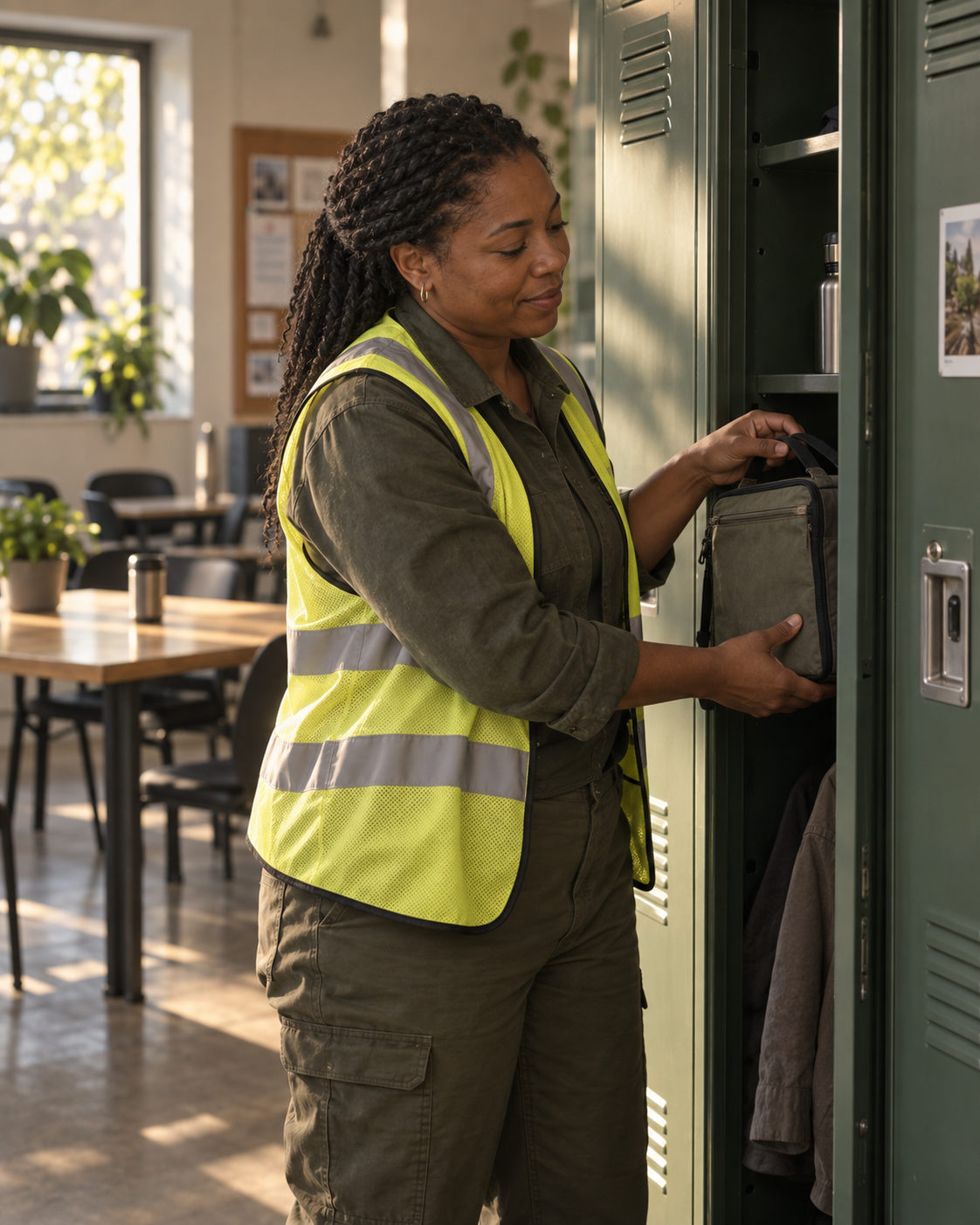
Download imageUse case: photorealistic-natural. Create ONE standalone photograph, not a collage or contact sheet. Create a photorealistic, candid editorial lifestyle photograph for Rekupr. Match the attached approved campaign reference for lighting, color balance, material texture, and photographic treatment. Use it as an art-direction reference, not a request to reproduce the same person. Use warm late-afternoon side light, gentle dappled shadows, deep evergreen foliage or muted green interiors, warm cream fabrics, and tactile wood, plaster, or terracotta. Preserve natural skin tones, visible skin texture, believable hands, and small imperfections. The photographic treatment should feel like a quiet independent lifestyle magazine: an eye-level 35–50mm perspective, gentle depth of field, subtle film grain, and restrained contrast. Keep the surroundings recognizable. The mood is unhurried and quietly reassuring: ordinary life continuing. The person is absorbed in what they are doing, with a relaxed posture and a small, natural expression. Avoid posing or looking at the camera. Scene: A Black female warehouse coordinator in her forties in plain olive workwear and a simple unmarked high-visibility vest, putting a closed lunch bag into a locker in a clean workplace staff room after her shift. Eye-level documentary view, modest windows, muted green lockers, no machinery or medical context. Warm late-day light, portrait, no phone. Composition: 4:5 aspect ratio. Generate in this aspect ratio, compose natively for it. Keep faces and hands clear of crop edges. No text, logos, watermarks, borders, graphic overlays, artificial glows, dramatic lens flare, medical equipment, exaggerated celebration, corporate stock-photo poses, airbrushed skin, or heavy orange or green color casts. Do not add a bill or phone unless the scene calls for one. This is an illustrative campaign scene, not a real customer testimonial or staff portrait. Reference role: the supplied image is a style and lighting reference only. Create new people and the distinct scene described above. Workplace scenes must read clearly as workplaces, not domestic kitchens.

1254 × 1254 px · PNG
Download imageUse case: photorealistic-natural. Create ONE standalone photograph, not a collage or contact sheet. Create a photorealistic, candid editorial lifestyle photograph for Rekupr. Match the attached approved campaign reference for lighting, color balance, material texture, and photographic treatment. Use it as an art-direction reference, not a request to reproduce the same person. Use warm late-afternoon side light, gentle dappled shadows, deep evergreen foliage or muted green interiors, warm cream fabrics, and tactile wood, plaster, or terracotta. Preserve natural skin tones, visible skin texture, believable hands, and small imperfections. The photographic treatment should feel like a quiet independent lifestyle magazine: an eye-level 35–50mm perspective, gentle depth of field, subtle film grain, and restrained contrast. Keep the surroundings recognizable. The mood is unhurried and quietly reassuring: ordinary life continuing. The person is absorbed in what they are doing, with a relaxed posture and a small, natural expression. Avoid posing or looking at the camera. Scene: An East Asian male employee in his fifties in a pale blue shirt pauses with a ceramic coffee cup near the large window of a modern commercial office. His gaze rests on the trees outside, thoughtful and calm, not camera. Square environmental portrait with natural skin texture and an understated green office sofa behind. Composition: 1:1 aspect ratio. Generate in this aspect ratio, compose natively for it. Keep faces and hands clear of crop edges. No text, logos, watermarks, borders, graphic overlays, artificial glows, dramatic lens flare, medical equipment, exaggerated celebration, corporate stock-photo poses, airbrushed skin, or heavy orange or green color casts. Do not add a bill or phone unless the scene calls for one. This is an illustrative campaign scene, not a real customer testimonial or staff portrait. Reference role: the supplied image is a style and lighting reference only. Create new people and the distinct scene described above. Workplace scenes must read clearly as workplaces, not domestic kitchens.


1024 × 1536 px · PNG
Download imageUse case: photorealistic-natural. Create ONE standalone photograph, not a collage or contact sheet. Create a photorealistic, candid editorial lifestyle photograph for Rekupr. Match the attached approved campaign reference for lighting, color balance, material texture, and photographic treatment. Use it as an art-direction reference, not a request to reproduce the same person. Use warm late-afternoon side light, gentle dappled shadows, deep evergreen foliage or muted green interiors, warm cream fabrics, and tactile wood, plaster, or terracotta. Preserve natural skin tones, visible skin texture, believable hands, and small imperfections. The photographic treatment should feel like a quiet independent lifestyle magazine: an eye-level 35–50mm perspective, gentle depth of field, subtle film grain, and restrained contrast. Keep the surroundings recognizable. The mood is unhurried and quietly reassuring: ordinary life continuing. The person is absorbed in what they are doing, with a relaxed posture and a small, natural expression. Avoid posing or looking at the camera. Scene: A white female employee in her late forties with brown hair and a Black male coworker in his thirties walking out of a modest office entrance into a tree-lined courtyard, carrying simple tote and backpack. Observational, mid-conversation, no posing. Tall full-body frame, actual commercial building doorway, warm cream stone and evergreen surroundings. Composition: 2:3 aspect ratio. Generate in this aspect ratio, compose natively for it. Keep faces and hands clear of crop edges. No text, logos, watermarks, borders, graphic overlays, artificial glows, dramatic lens flare, medical equipment, exaggerated celebration, corporate stock-photo poses, airbrushed skin, or heavy orange or green color casts. Do not add a bill or phone unless the scene calls for one. This is an illustrative campaign scene, not a real customer testimonial or staff portrait. Reference role: the supplied image is a style and lighting reference only. Create new people and the distinct scene described above. Workplace scenes must read clearly as workplaces, not domestic kitchens.

1672 × 941 px · PNG
Download imageUse case: photorealistic-natural. Create ONE standalone photograph, not a collage or contact sheet. Create a photorealistic, candid editorial lifestyle photograph for Rekupr. Match the attached approved campaign reference for lighting, color balance, material texture, and photographic treatment. Use it as an art-direction reference, not a request to reproduce the same person. Use warm late-afternoon side light, gentle dappled shadows, deep evergreen foliage or muted green interiors, warm cream fabrics, and tactile wood, plaster, or terracotta. Preserve natural skin tones, visible skin texture, believable hands, and small imperfections. The photographic treatment should feel like a quiet independent lifestyle magazine: an eye-level 35–50mm perspective, gentle depth of field, subtle film grain, and restrained contrast. Keep the surroundings recognizable. The mood is unhurried and quietly reassuring: ordinary life continuing. The person is absorbed in what they are doing, with a relaxed posture and a small, natural expression. Avoid posing or looking at the camera. Scene: A Black father in his forties and his school-age daughter washing tomatoes together at a kitchen sink in a modest lived-in home. Cream cotton and muted green clothing, oak counter, ceramic bowl. Tender but ordinary concentration, not staged cheer. Wide frame with the pair on right, quiet cream wall and green cabinets on left. No bill, phone or laptop. Composition: 16:9 aspect ratio. Generate in this aspect ratio, compose natively for it. Keep faces and hands clear of crop edges. No text, logos, watermarks, borders, graphic overlays, artificial glows, dramatic lens flare, medical equipment, exaggerated celebration, corporate stock-photo poses, airbrushed skin, or heavy orange or green color casts. Do not add a bill or phone unless the scene calls for one. This is an illustrative campaign scene, not a real customer testimonial or staff portrait. Reference role: the supplied image is a style and lighting reference only. Create new people and the distinct scene described above. Workplace scenes must read clearly as workplaces, not domestic kitchens.
1122 × 1402 px · PNG
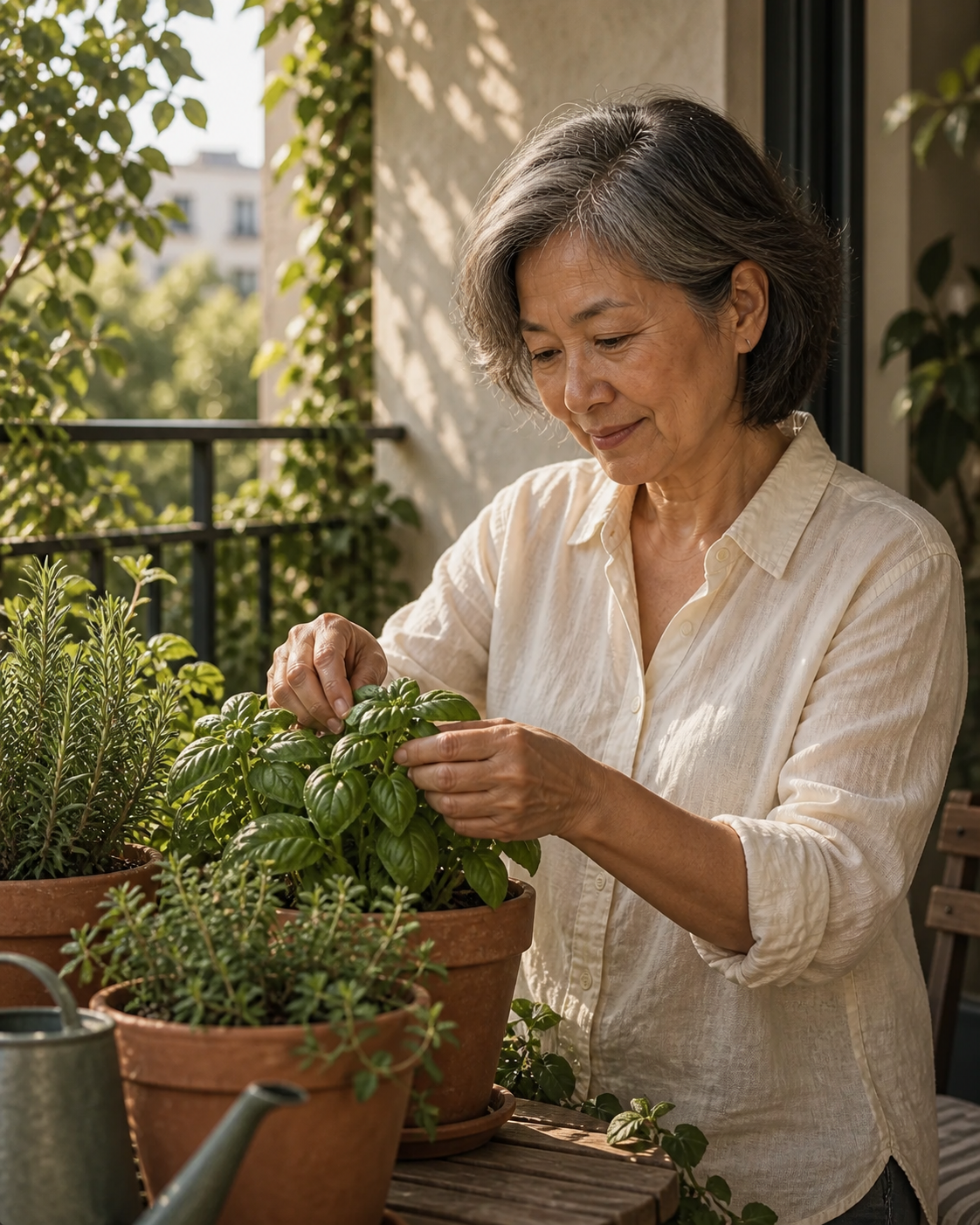
Download imageUse case: photorealistic-natural. Create ONE standalone photograph, not a collage or contact sheet. Create a photorealistic, candid editorial lifestyle photograph for Rekupr. Match the attached approved campaign reference for lighting, color balance, material texture, and photographic treatment. Use it as an art-direction reference, not a request to reproduce the same person. Use warm late-afternoon side light, gentle dappled shadows, deep evergreen foliage or muted green interiors, warm cream fabrics, and tactile wood, plaster, or terracotta. Preserve natural skin tones, visible skin texture, believable hands, and small imperfections. The photographic treatment should feel like a quiet independent lifestyle magazine: an eye-level 35–50mm perspective, gentle depth of field, subtle film grain, and restrained contrast. Keep the surroundings recognizable. The mood is unhurried and quietly reassuring: ordinary life continuing. The person is absorbed in what they are doing, with a relaxed posture and a small, natural expression. Avoid posing or looking at the camera. Scene: An older East Asian woman in her sixties wearing a cream linen shirt tending basil in terracotta pots on a small shaded balcony. Realistic age texture, relaxed hands touching herbs naturally. Warm side light and deep green leaves, ordinary urban garden. Portrait showing head, hands and pots, no devices or papers. Composition: 4:5 aspect ratio. Generate in this aspect ratio, compose natively for it. Keep faces and hands clear of crop edges. No text, logos, watermarks, borders, graphic overlays, artificial glows, dramatic lens flare, medical equipment, exaggerated celebration, corporate stock-photo poses, airbrushed skin, or heavy orange or green color casts. Do not add a bill or phone unless the scene calls for one. This is an illustrative campaign scene, not a real customer testimonial or staff portrait. Reference role: the supplied image is a style and lighting reference only. Create new people and the distinct scene described above. Workplace scenes must read clearly as workplaces, not domestic kitchens.
1254 × 1254 px · PNG
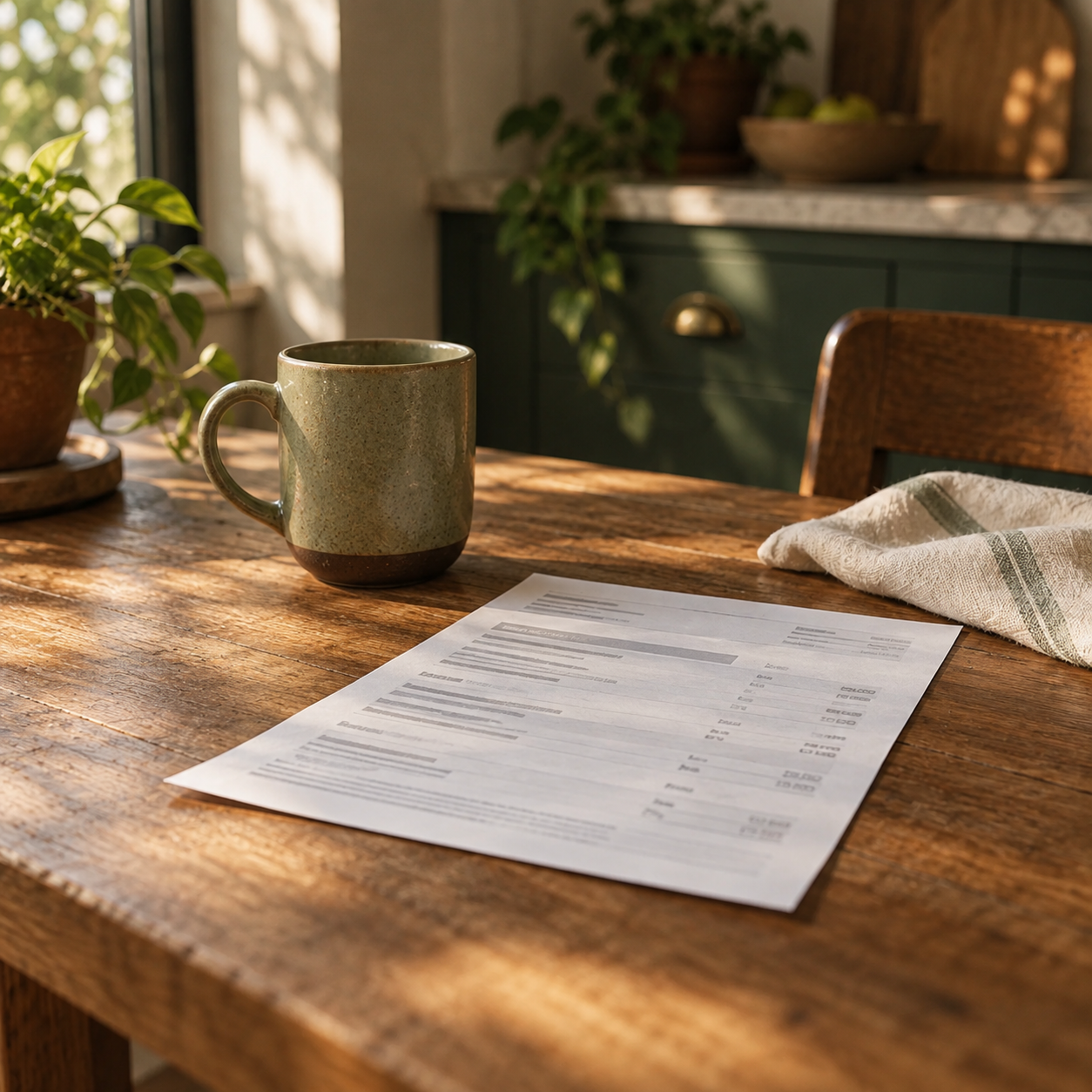
Download imageUse case: photorealistic-natural. Create ONE standalone photograph, not a collage or contact sheet. Create a photorealistic, candid editorial lifestyle photograph for Rekupr. Match the attached approved campaign reference for lighting, color balance, material texture, and photographic treatment. Use it as an art-direction reference, not a request to reproduce the same person. Use warm late-afternoon side light, gentle dappled shadows, deep evergreen foliage or muted green interiors, warm cream fabrics, and tactile wood, plaster, or terracotta. Preserve natural skin tones, visible skin texture, believable hands, and small imperfections. The photographic treatment should feel like a quiet independent lifestyle magazine: an eye-level 35–50mm perspective, gentle depth of field, subtle film grain, and restrained contrast. Keep the surroundings recognizable. The mood is unhurried and quietly reassuring: ordinary life continuing. The person is absorbed in what they are doing, with a relaxed posture and a small, natural expression. Avoid posing or looking at the camera. Scene: A close editorial still-life detail of an ordinary medical bill resting on a warm oak kitchen table beside a plain sage ceramic mug. The page has a subtle column layout, short gray abstract text lines, and indistinct amounts, with no readable words, codes, identities or real personal data. A folded cream cloth and soft green cabinetry in background. No people. Low three-quarter 50mm photographic angle, shallow but believable depth, square composition. Focus on the tactile paper edge and soft side light, not a simulated UI. Composition: 1:1 aspect ratio. Generate in this aspect ratio, compose natively for it. Keep hands and important objects comfortably within the frame. For a detail scene, follow the requested camera angle and omit faces, overriding the generic people direction above. No text, logos, watermarks, borders, graphic overlays, artificial glows, dramatic lens flare, medical equipment, exaggerated celebration, corporate stock-photo poses, airbrushed skin, or heavy orange or green color casts. Do not add a bill or phone unless the scene calls for one. This is an illustrative campaign scene, not a real customer testimonial or staff portrait. Reference role: use the supplied campaign photograph only for warm natural light, color and texture. Create the new scene described. The paper is an illustrative prop, never a fabricated customer finding. No readable text anywhere.

1536 × 1024 px · PNG
Download imageUse case: photorealistic-natural. Create ONE standalone photograph, not a collage or contact sheet. Create a photorealistic, candid editorial lifestyle photograph for Rekupr. Match the attached approved campaign reference for lighting, color balance, material texture, and photographic treatment. Use it as an art-direction reference, not a request to reproduce the same person. Use warm late-afternoon side light, gentle dappled shadows, deep evergreen foliage or muted green interiors, warm cream fabrics, and tactile wood, plaster, or terracotta. Preserve natural skin tones, visible skin texture, believable hands, and small imperfections. The photographic treatment should feel like a quiet independent lifestyle magazine: an eye-level 35–50mm perspective, gentle depth of field, subtle film grain, and restrained contrast. Keep the surroundings recognizable. The mood is unhurried and quietly reassuring: ordinary life continuing. The person is absorbed in what they are doing, with a relaxed posture and a small, natural expression. Avoid posing or looking at the camera. Scene: A middle-aged mixed-race couple, a Black woman and a white man, sitting side by side at a modest oak kitchen table and calmly reviewing a single paper medical bill. She lightly indicates a row on the paper while he listens. Bill has muted gray line-item structure, no readable text or personal data. Cream and muted green cotton clothes, green cabinets, natural faces, quiet attention rather than distress or forced celebration. Horizontal 3:2 frame, both faces and believable hands visible, paper in lower foreground. Composition: 3:2 aspect ratio. Generate in this aspect ratio, compose natively for it. Keep hands and important objects comfortably within the frame. For a detail scene, follow the requested camera angle and omit faces, overriding the generic people direction above. No text, logos, watermarks, borders, graphic overlays, artificial glows, dramatic lens flare, medical equipment, exaggerated celebration, corporate stock-photo poses, airbrushed skin, or heavy orange or green color casts. Do not add a bill or phone unless the scene calls for one. This is an illustrative campaign scene, not a real customer testimonial or staff portrait. Reference role: use the supplied campaign photograph only for warm natural light, color and texture. Create the new scene described. The paper is an illustrative prop, never a fabricated customer finding. No readable text anywhere.
1024 × 1536 px · PNG
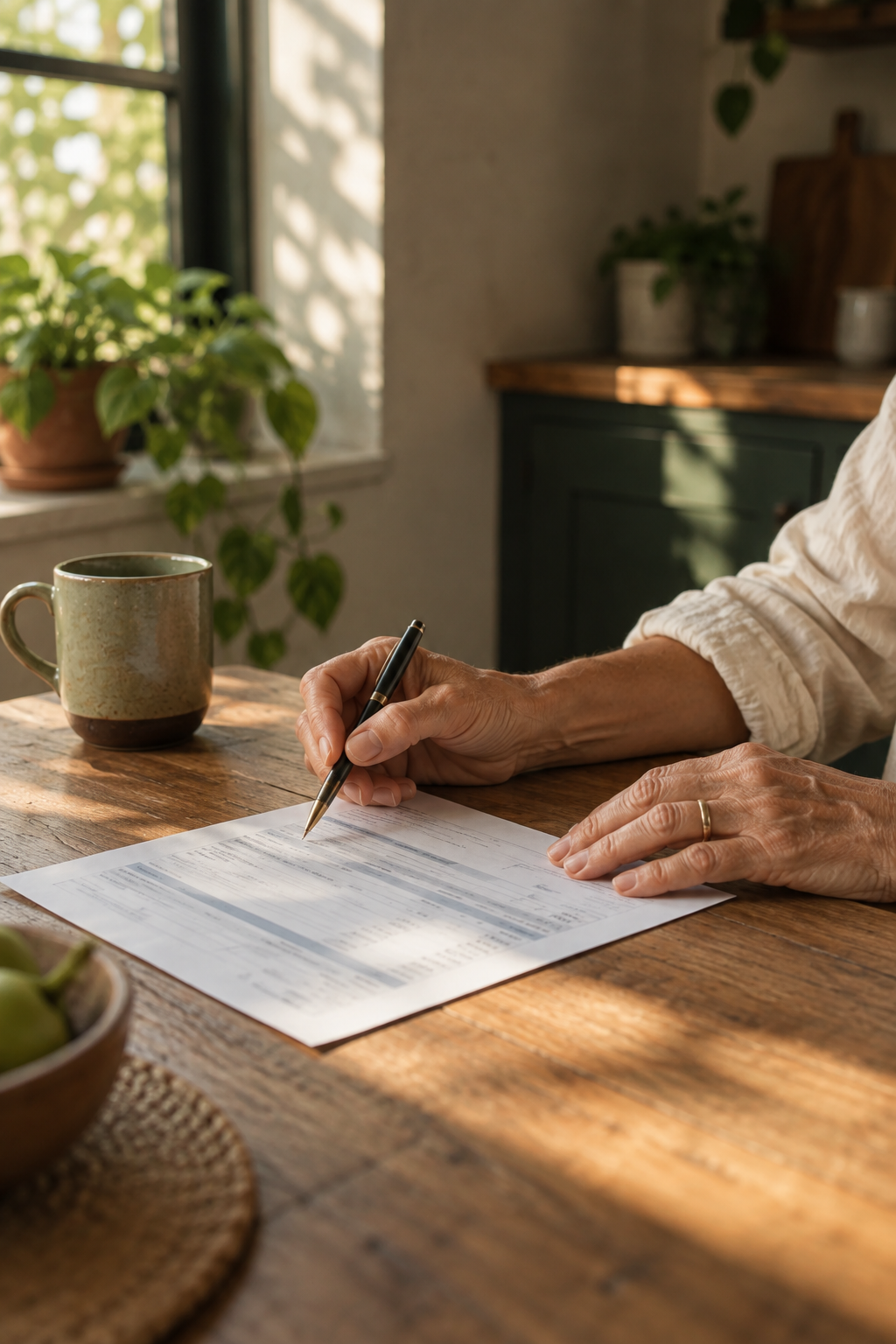
Download imageUse case: photorealistic-natural. Create ONE standalone photograph, not a collage or contact sheet. Create a photorealistic, candid editorial lifestyle photograph for Rekupr. Match the attached approved campaign reference for lighting, color balance, material texture, and photographic treatment. Use it as an art-direction reference, not a request to reproduce the same person. Use warm late-afternoon side light, gentle dappled shadows, deep evergreen foliage or muted green interiors, warm cream fabrics, and tactile wood, plaster, or terracotta. Preserve natural skin tones, visible skin texture, believable hands, and small imperfections. The photographic treatment should feel like a quiet independent lifestyle magazine: an eye-level 35–50mm perspective, gentle depth of field, subtle film grain, and restrained contrast. Keep the surroundings recognizable. The mood is unhurried and quietly reassuring: ordinary life continuing. The person is absorbed in what they are doing, with a relaxed posture and a small, natural expression. Avoid posing or looking at the camera. Scene: An intimate editorial detail photograph of an older adult's naturally wrinkled hands reviewing a medical bill at a wooden kitchen table. One hand rests beside the paper and the other loosely holds a simple pen above one line. The person's face is outside the frame intentionally. Cream linen cuff, sage ceramic mug soft in background. Bill is a credible unbranded paper with faint line-item columns but no readable text, codes, names, or amounts. Tall 2:3 composition with full hands and paper comfortably framed; paper remains physically believable. Composition: 2:3 aspect ratio. Generate in this aspect ratio, compose natively for it. Keep hands and important objects comfortably within the frame. For a detail scene, follow the requested camera angle and omit faces, overriding the generic people direction above. No text, logos, watermarks, borders, graphic overlays, artificial glows, dramatic lens flare, medical equipment, exaggerated celebration, corporate stock-photo poses, airbrushed skin, or heavy orange or green color casts. Do not add a bill or phone unless the scene calls for one. This is an illustrative campaign scene, not a real customer testimonial or staff portrait. Reference role: use the supplied campaign photograph only for warm natural light, color and texture. Create the new scene described. The paper is an illustrative prop, never a fabricated customer finding. No readable text anywhere.

1672 × 941 px · PNG
Download imageUse case: photorealistic-natural. Create ONE standalone photograph, not a collage or contact sheet. Create a photorealistic, candid editorial lifestyle photograph for Rekupr. Match the attached approved campaign reference for lighting, color balance, material texture, and photographic treatment. Use it as an art-direction reference, not a request to reproduce the same person. Use warm late-afternoon side light, gentle dappled shadows, deep evergreen foliage or muted green interiors, warm cream fabrics, and tactile wood, plaster, or terracotta. Preserve natural skin tones, visible skin texture, believable hands, and small imperfections. The photographic treatment should feel like a quiet independent lifestyle magazine: an eye-level 35–50mm perspective, gentle depth of field, subtle film grain, and restrained contrast. Keep the surroundings recognizable. The mood is unhurried and quietly reassuring: ordinary life continuing. The person is absorbed in what they are doing, with a relaxed posture and a small, natural expression. Avoid posing or looking at the camera. Scene: A mixed-race couple in their thirties browsing vegetables at a small outdoor farmers market, carrying a simple cream canvas tote. Candid profile and three-quarter view, leafy greens and wooden crates, canvas awning softly filtering warm daylight. No signs or readable labels. Wide frame showing setting, people on left and quieter produce on right. Composition: 16:9 aspect ratio. Generate in this aspect ratio, compose natively for it. Keep faces and hands clear of crop edges. No text, logos, watermarks, borders, graphic overlays, artificial glows, dramatic lens flare, medical equipment, exaggerated celebration, corporate stock-photo poses, airbrushed skin, or heavy orange or green color casts. Do not add a bill or phone unless the scene calls for one. This is an illustrative campaign scene, not a real customer testimonial or staff portrait. Reference role: the supplied image is a style and lighting reference only. Create new people and the distinct scene described above. Workplace scenes must read clearly as workplaces, not domestic kitchens.
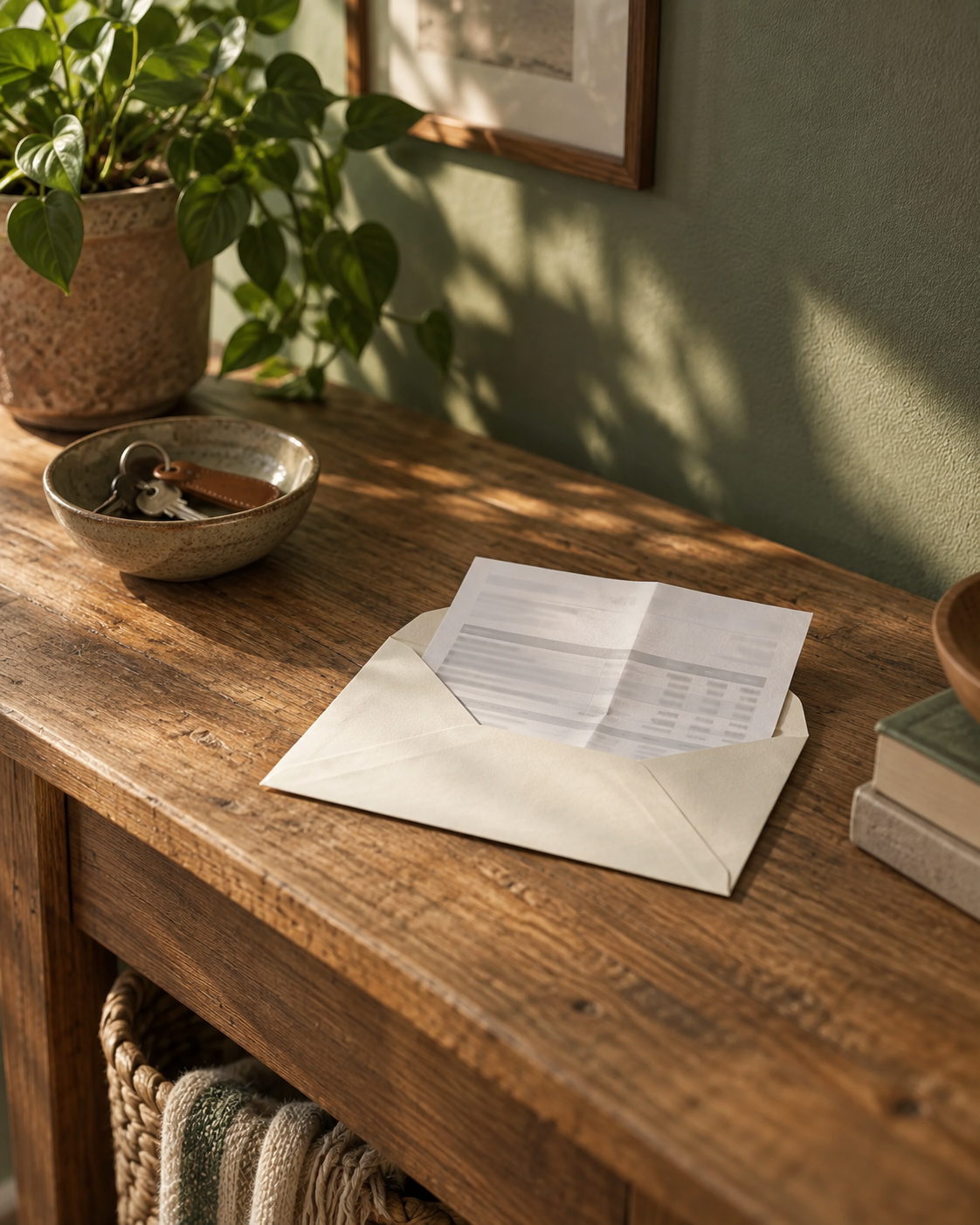
1122 × 1402 px · PNG
Download imageUse case: photorealistic-natural. Create ONE standalone photograph, not a collage or contact sheet. Create a photorealistic, candid editorial lifestyle photograph for Rekupr. Match the attached approved campaign reference for lighting, color balance, material texture, and photographic treatment. Use it as an art-direction reference, not a request to reproduce the same person. Use warm late-afternoon side light, gentle dappled shadows, deep evergreen foliage or muted green interiors, warm cream fabrics, and tactile wood, plaster, or terracotta. Preserve natural skin tones, visible skin texture, believable hands, and small imperfections. The photographic treatment should feel like a quiet independent lifestyle magazine: an eye-level 35–50mm perspective, gentle depth of field, subtle film grain, and restrained contrast. Keep the surroundings recognizable. The mood is unhurried and quietly reassuring: ordinary life continuing. The person is absorbed in what they are doing, with a relaxed posture and a small, natural expression. Avoid posing or looking at the camera. Scene: A quiet editorial still-life of an opened plain cream envelope with a folded medical billing statement partially drawn out, on a worn oak console table beside a small ceramic bowl for keys. Muted green painted wall and soft window-shadow in background. No people or devices. The exposed statement has faint blurred gray column structure, no readable wording, names, addresses, amounts, barcode or logos. Portrait 4:5 with the envelope and folded-paper texture in lower middle, calm empty wall above. Composition: 4:5 aspect ratio. Generate in this aspect ratio, compose natively for it. Keep hands and important objects comfortably within the frame. For a detail scene, follow the requested camera angle and omit faces, overriding the generic people direction above. No text, logos, watermarks, borders, graphic overlays, artificial glows, dramatic lens flare, medical equipment, exaggerated celebration, corporate stock-photo poses, airbrushed skin, or heavy orange or green color casts. Do not add a bill or phone unless the scene calls for one. This is an illustrative campaign scene, not a real customer testimonial or staff portrait. Reference role: use the supplied campaign photograph only for warm natural light, color and texture. Create the new scene described. The paper is an illustrative prop, never a fabricated customer finding. No readable text anywhere.
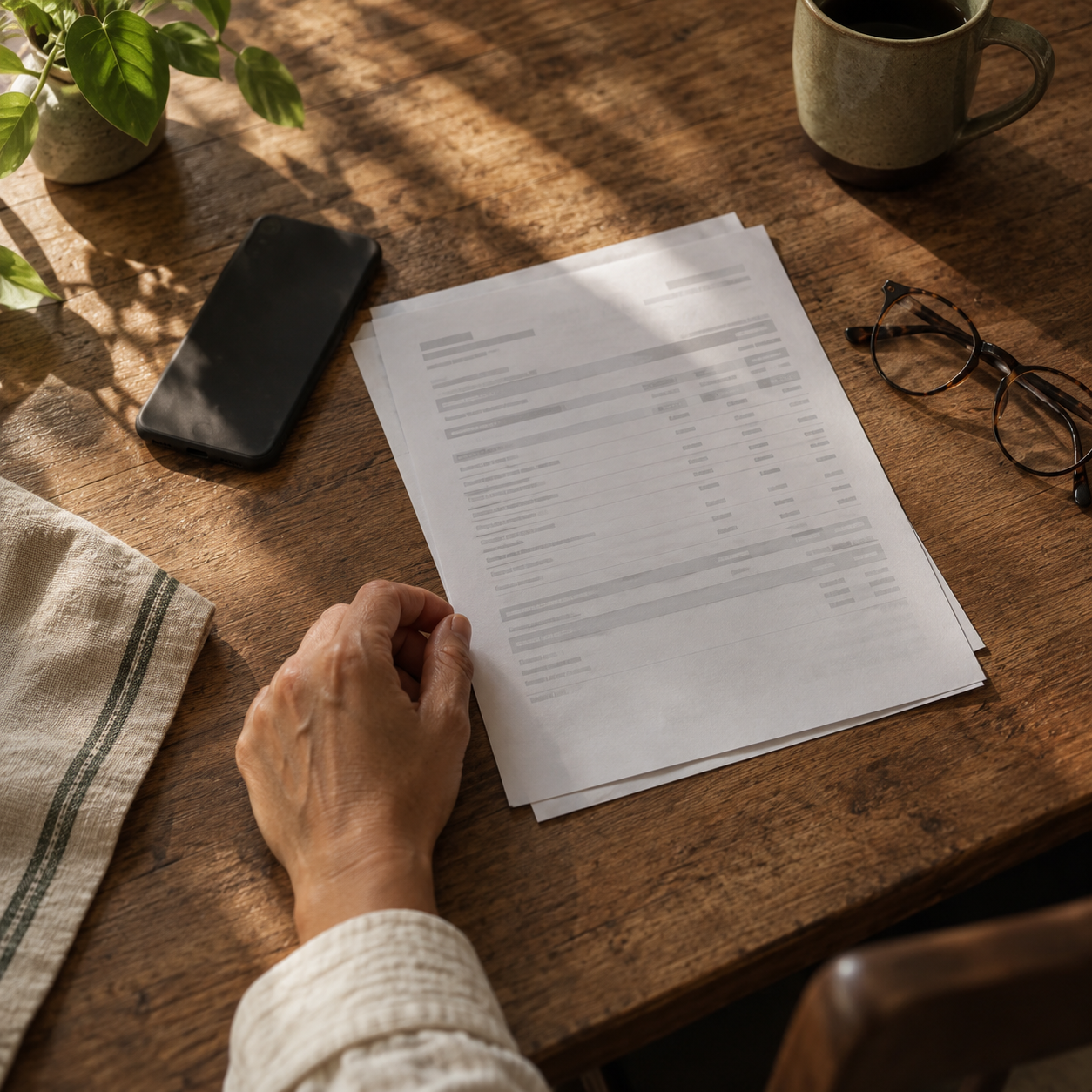
1254 × 1254 px · PNG
Download imageUse case: photorealistic-natural. Create ONE standalone photograph, not a collage or contact sheet. Create a photorealistic, candid editorial lifestyle photograph for Rekupr. Match the attached approved campaign reference for lighting, color balance, material texture, and photographic treatment. Use it as an art-direction reference, not a request to reproduce the same person. Use warm late-afternoon side light, gentle dappled shadows, deep evergreen foliage or muted green interiors, warm cream fabrics, and tactile wood, plaster, or terracotta. Preserve natural skin tones, visible skin texture, believable hands, and small imperfections. The photographic treatment should feel like a quiet independent lifestyle magazine: an eye-level 35–50mm perspective, gentle depth of field, subtle film grain, and restrained contrast. Keep the surroundings recognizable. The mood is unhurried and quietly reassuring: ordinary life continuing. The person is absorbed in what they are doing, with a relaxed posture and a small, natural expression. Avoid posing or looking at the camera. Scene: An overhead editorial photograph of a medical bill, a plain dark phone lying face down, and a pair of reading glasses arranged casually on a warm oak table. A cream shirt cuff and just one relaxed hand enter from the bottom edge, as if someone has paused mid-review. Not an excessively symmetrical flat lay. A single soft diagonal window shadow, hint of green ceramic cup at top corner. Bill has indistinct gray line-item columns, no readable text or personal information. Square native frame, every object physically coherent, restrained palette and natural paper texture. Composition: 1:1 aspect ratio. Generate in this aspect ratio, compose natively for it. Keep hands and important objects comfortably within the frame. For a detail scene, follow the requested camera angle and omit faces, overriding the generic people direction above. No text, logos, watermarks, borders, graphic overlays, artificial glows, dramatic lens flare, medical equipment, exaggerated celebration, corporate stock-photo poses, airbrushed skin, or heavy orange or green color casts. Do not add a bill or phone unless the scene calls for one. This is an illustrative campaign scene, not a real customer testimonial or staff portrait. Reference role: use the supplied campaign photograph only for warm natural light, color and texture. Create the new scene described. The paper is an illustrative prop, never a fabricated customer finding. No readable text anywhere.

1536 × 1024 px · PNG
Download imageUse case: photorealistic-natural. Create ONE standalone photograph, not a collage or contact sheet. Create a photorealistic, candid editorial lifestyle photograph for Rekupr. Match the attached approved campaign reference for lighting, color balance, material texture, and photographic treatment. Use it as an art-direction reference, not a request to reproduce the same person. Use warm late-afternoon side light, gentle dappled shadows, deep evergreen foliage or muted green interiors, warm cream fabrics, and tactile wood, plaster, or terracotta. Preserve natural skin tones, visible skin texture, believable hands, and small imperfections. The photographic treatment should feel like a quiet independent lifestyle magazine: an eye-level 35–50mm perspective, gentle depth of field, subtle film grain, and restrained contrast. Keep the surroundings recognizable. The mood is unhurried and quietly reassuring: ordinary life continuing. The person is absorbed in what they are doing, with a relaxed posture and a small, natural expression. Avoid posing or looking at the camera. Scene: A woman in her early forties with brown skin and curly dark hair at her oak kitchen table calmly slipping a medical bill into a plain paper folder and setting her phone face down beside it. The bill shows faint line-item structure with no readable names, codes, charges or personal data. Natural relaxed expression, quiet sense of finished task, no exaggerated relief. Forest-green cabinetry, cream cotton clothing and soft side light. Landscape 3:2 with the person center-left, hands and bill visible, quiet room on the right. Composition: 3:2 aspect ratio. Generate in this aspect ratio, compose natively for it. Keep hands and important objects comfortably within the frame. For a detail scene, follow the requested camera angle and omit faces, overriding the generic people direction above. No text, logos, watermarks, borders, graphic overlays, artificial glows, dramatic lens flare, medical equipment, exaggerated celebration, corporate stock-photo poses, airbrushed skin, or heavy orange or green color casts. Do not add a bill or phone unless the scene calls for one. This is an illustrative campaign scene, not a real customer testimonial or staff portrait. Reference role: use the supplied campaign photograph only for warm natural light, color and texture. Create the new scene described. The paper is an illustrative prop, never a fabricated customer finding. No readable text anywhere.
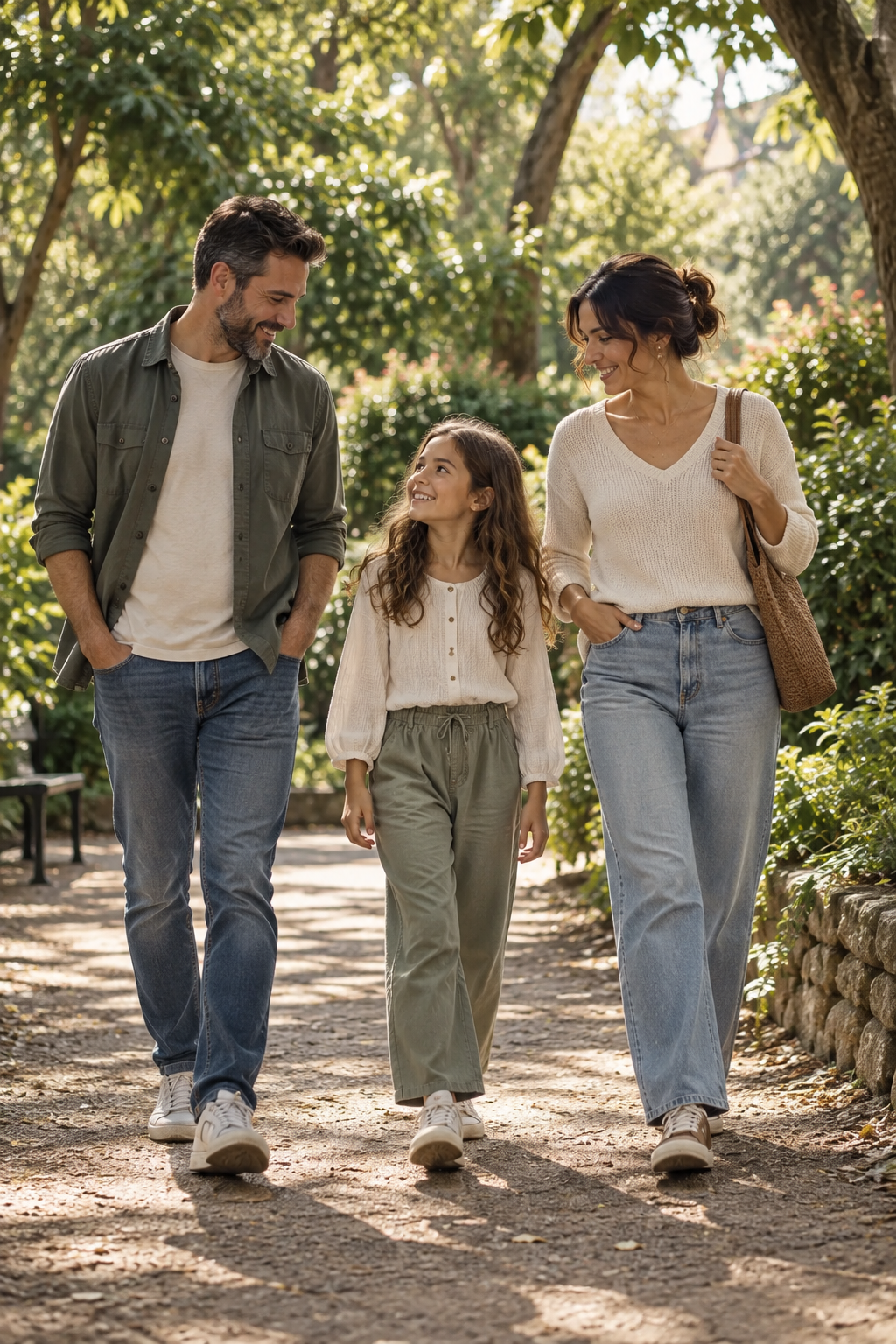
1024 × 1536 px · PNG
Download imageUse case: photorealistic-natural. Create ONE standalone photograph, not a collage or contact sheet. Create a photorealistic, candid editorial lifestyle photograph for Rekupr. Match the attached approved campaign reference for lighting, color balance, material texture, and photographic treatment. Use it as an art-direction reference, not a request to reproduce the same person. Use warm late-afternoon side light, gentle dappled shadows, deep evergreen foliage or muted green interiors, warm cream fabrics, and tactile wood, plaster, or terracotta. Preserve natural skin tones, visible skin texture, believable hands, and small imperfections. The photographic treatment should feel like a quiet independent lifestyle magazine: an eye-level 35–50mm perspective, gentle depth of field, subtle film grain, and restrained contrast. Keep the surroundings recognizable. The mood is unhurried and quietly reassuring: ordinary life continuing. The person is absorbed in what they are doing, with a relaxed posture and a small, natural expression. Avoid posing or looking at the camera. Scene: A mixed-gender family of three, two parents in their forties and their school-age daughter, walking together along a leafy public garden path. Diverse natural appearances, cream, olive and muted blue casual clothes, ordinary conversation and gentle movement, no posed line-up. Tall environmental full-body composition, warm dappled light, no phone or paperwork. Composition: 2:3 aspect ratio. Generate in this aspect ratio, compose natively for it. Keep faces and hands clear of crop edges. No text, logos, watermarks, borders, graphic overlays, artificial glows, dramatic lens flare, medical equipment, exaggerated celebration, corporate stock-photo poses, airbrushed skin, or heavy orange or green color casts. Do not add a bill or phone unless the scene calls for one. This is an illustrative campaign scene, not a real customer testimonial or staff portrait. Reference role: the supplied image is a style and lighting reference only. Create new people and the distinct scene described above. Workplace scenes must read clearly as workplaces, not domestic kitchens.
No images in this combination. Try another format or subject.
The collection ZIP contains full-resolution JPEGs; individual downloads provide original PNGs. Generated campaign imagery. People and bill details are illustrative. Each image keeps its original composition; use the displayed pixel dimensions when placing it, and check any new crop in context.
Visual language
Bills, evidence, and appeal letters are treated as tactile paper objects. They give complex information a familiar shape and make progress visible.
A paper scene should reveal what a person brings, what Rekupr finds, or how the evidence becomes an appeal draft. It is never decoration alone.
01 / 03Two matching lines appear on the same date.
Small radii keep information calm and readable.
A larger corner belongs to editorial images and major brand moments.
Use green and white for illustrative seals and status details. Reserve amber for the next action.
Thin lines can show a relationship, transition, or reading path.
Use Phosphor Light, with rounded joins and a 1.5px stroke at 24px. Choose familiar symbols, pair them with words, and inherit the surrounding text color.
Use an 8px rhythm with optical adjustments. Desktop gutters are about 5vw; phone gutters start at 23px. Major sections use 85 to 110px on desktop and 65 to 75px on phones.
Lead with one amber primary action per decision area. Use neutral outlines for secondary actions and text-only controls for tertiary actions. Keep reassurance close. Prominent buttons are 53 to 58px tall; compact header actions are 44px.
✓ No account ✓ No credit card
Primary action and reassuranceBackground art
The rings behind our paper scenes and dark brand moments, ready to use in your next composition. Choose a crop and download the artwork.
A soft center for paper scenes, product stories, and helpful explanations. Place the main object within the inner ring.
A quiet frame for brand statements, title slides, and closing moments. Keep the main message in the open space on the left.
The full collection includes six backgrounds in SVG and PNG, two transparent SVG overlays, and a short usage guide. All artwork is free of text, logos, and document illustrations.
Use one ring composition at a time. Keep its original opacity and proportions. Scale and crop together; never stretch the circles.
Place green overlays on sage and light overlays on deep green. Keep amber out of background art and decoration; reserve it for primary actions. See the color rule ↗
SVG stays sharp at any size. PNG is ready for slides, social layouts, and email artwork. Files have square edges; apply the container’s corner shape in your layout.
Motion
Use motion to connect one state to another or reward an action. Keep the primary path immediately available, and respect reduced-motion preferences.
The object moves once, settles quickly, and leaves the content easy to read.
Applications
The composition changes with the job. The calm voice, restrained palette, readable type, and clear next action hold the system together.
We help you understand your medical bill, find what may be worth questioning, and build an appeal when the evidence supports it.
We found two charges worth a closer look. You can see what they are and why they stood out.
Clarity,Two charges may be worth questioning. Review each finding and the evidence behind it, then build an appeal from the supported issues.
Product workspaces use a detached navigation panel and a bright reading surface. Keep operational detail legible and states explicit. All information shown here is illustrative.
Email expression
A message from Rekupr should help someone understand what has happened, what they can do, and what stays in their hands.
Lead with a clear status and the action it opens up. Give the completed work a confident introduction and a direct action.
Offer useful context and one manageable action. Let reminders feel like an invitation to return.
Bring warmth through stories, everyday photography, and practical ideas. Give each email one reason to exist.
Proposed email templates. Use conditions describe intended moments, not configured automations. Preview actions are inactive. HTML starters include fields for links and hosted images.
Write the useful fact first. Keep sensitive bill details out of the subject and preview. Give the reader context before asking them to open.
Open Rekupr to see the findings and supporting detail.
A clear state, then a reason to open. No diagnosis, provider name, or bill amount in the inbox.
Read the draft, make your edits, and decide when to send it.
Name the draft. Keep review and sending distinct.
Last chance to get the savings you deserve.
Invented urgency and an unsupported outcome add pressure. Replace both with the actual state and action.
The writing pattern
Rekupr’s warmth comes from being helpful. A short service email can carry the brand just as clearly as a campaign.
“Your appeal draft is ready.” Answer the immediate question in the first line.
Explain what is available, what they can review, and any relevant limits.
Use “Review my bill” or “Review my appeal.” Match the button to the destination.
A brief, natural sign-off. No extra pitch beneath a service update.
Use a single reading column, generous spacing, the supplied logo, and amber with deep green text for the main action. Use photography in welcomes and editorial stories. Give service updates a strong status hero and useful supporting sections.
Geist gives the email its familiar character. Arial and Helvetica are fallbacks. Keep the hierarchy, spacing, and color just as deliberate when a custom font is unavailable.
Keep the reason for the email in the footer. Include reminder preferences where relevant, and subscription controls in editorial emails. Keep the sender name consistent: Rekupr.
Email starter collection
HTML starters, readable browser references, plain-text alternatives, subject lines, preview copy, and image assets. Ready for your team to adapt to its email platform.
Guardrails
Before work ships, check the experience against the person receiving it. The brand succeeds when people understand more and feel able to act.
Use semantic structure, visible focus, sufficient contrast, readable supporting text, descriptive alternative text, and a complete reduced-motion experience.
Keep evidence close to findings. Label individual outcomes. Explain rounding and relationships. Do not invent savings, speed, access, or automatic actions.
Rekupr is the product people meet. Lumio is the parent company. Lead with Rekupr in customer-facing work unless the company context is necessary.
Keep the vector logo, design tokens, source notes, and product vocabulary together. Update this guide as shipped work establishes a clearer rule.
Use this final check for product screens, pages, messages, partnerships, and campaigns.
Social media templates
Useful in the feed.
Unmistakably Rekupr.
Five starting points for a coordinated social presence. Choose a format, make the words your own, and download artwork at its full canvas size.
Campaign
Edits stay in this tab until you reload. Download your artwork to keep it.
Caption & image description
Update the caption and description to match your edits. Campaign photographs are generated illustrations, not customer testimonials.
Five templates.
Eight pieces of artwork.
A campaign post, four-slide educational carousel, product explainer, employer post, and vertical story. The pack includes your current edits, captions, and image descriptions.
One post, one job.
Introduce a thought, explain one part of the process, or invite one action. Let the caption carry the detail.
Make a rhythm.
Alternate life photography, generous type, and practical paper objects. Keep the logo, color, and voice steady.
Make it readable.
Keep headlines brief and supporting lines useful. Preview at phone size and keep essential text away from the edges.